• Skip to primary navigation
  • Skip to main content
  • Skip to primary sidebar
  • Skip to secondary sidebar

Dianne Jacob, Will Write For Food

Useful Tips, Interviews, and Stories to Inspire Food Writers and Bloggers

  • Email
  • Facebook
  • Instagram
  • LinkedIn
  • Pinterest
  • Twitter
  • Home
  • About Me
    • Bio
    • Freelance Writing
    • Media Mentions
    • Teaching and Speaking
    • Contact Me
  • Services
    • Coaching and Editing
    • Book Clients
    • FAQ
    • Testimonials
  • Books
    • Will Write For Food
    • The United States of Pizza
    • Grilled Pizzas & Piadinas
  • Events
  • Categories
    • Awards
    • Cookbooks
    • Career
    • Contests
    • Ethics
    • Food Blogging
    • Freelancing
    • Literary Agents
    • My workshops and conferences
    • Personal Stuff
    • Photography
    • Promotion
    • Proposals
    • Radio interviews and writing
    • Recipe Writing
    • Restaurant Reviewing
    • Self Publishing
    • Social Media
    • Travel Writing
    • Uncategorized
    • Useful Links
    • Writing
    • Memoir
    • Writing Apps
  • Resources
  • My Newsletter
  • Blog

Freelancing

5 Tips for Dealing with Editors Who Change Your Work

October 12, 2013 by diannejacob 39 Comments

YourWayMyWayMy client said she didn’t want to write for the magazine any longer. she thought  the editor had distorted her article, and she worried about what would happen in future pieces.

I listened from the other side. I was a magazine editor for years. I rewrote and reworked my writer’s stories in every issue. One guy wanted to go over every single edit, including grammatical ones. He didn’t last long. Most of the other writers just accepted my work, and they were the ones I hired over and over.

So when do you shut up and when do you say something, when an editor changes your piece in ways that make you crazy? From an editor’s standpoint, I have five suggestions:

1. Analyze the changes. Most edits are tweaks to tighten and enliven the piece, improve clarity, or to better reflect the voice of the publication. You might not like them, but you can live with them. Learn from the edits so you can do a better job next time.

2. Pick your battles. If an editor changed the meaning or emphasis of your work, or inserted inaccurate material, you have a case.

3. Be polite and thorough. In an email, make a clear argument with up to three points of disagreement. Don’t call and don’t make accusations. If you write down how you would like the sentences rephrased, it’s easier to cut and paste.

4. Accept change graciously whenever possible, and move on. This guy did not, which is what inspired me to write this post. Obviously, he had a point and an axe to grind. Don’t blast your story all over social media unless you want editors everywhere to wonder if you will be difficult.

5. Decide whether to keep writing for the editor. The freelancer I coached decided not to pitch more stories, because she felt resentful. That’s the right decision, because her attitude would come through. I have had disagreements with editors as a freelancer too, but we worked them out and continued working together. I’m not saying I’m right — maybe I just have a higher tolerance for changes, having been on the other side.

(Photo courtesy FreeDigitalPhotos.net. Thanks to Sally Prosser for alerting me to the post.)
Filed Under: Freelancing

5 New Food Magazines to Pitch

September 10, 2013 by diannejacob 21 Comments

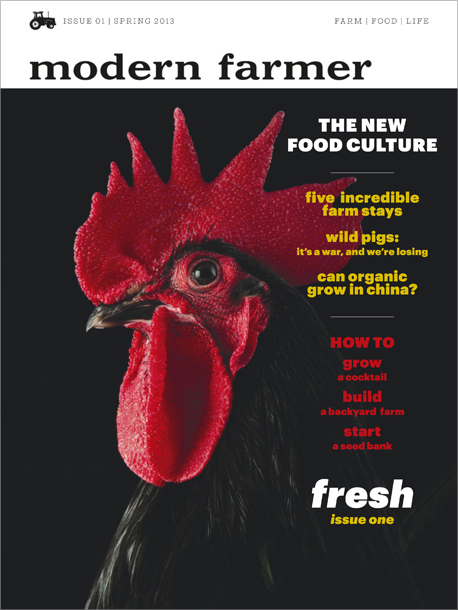
Modern-FarmerPerhaps you’re in a rut, writing for the same publication, and it’s time to branch out? Or maybe you’re comfortable blogging but you’d like to try writing for magazines?

Whatever the reason, it’s always exciting to see a new crop of magazines. Here’s a short list of what emerged recently, followed by tips on how to pitch:

  1. Alo. A Middle Eastern lifestyle and culture magazine with a food section.
  2. ACQTaste (As in “Acquired Taste”). A Canadian journal of food culture and lifestyle, focusing on chefs and restaurants, not necessarily in Canada. A recent issue focused on New York food artisans and chefs.
  3. Cherry Bombe. Here is a bi-annual magazine that celebrates women, high fashion, art and food. Issue one includes articles on food stylist Victoria Granof, pit master [Read more…] about 5 New Food Magazines to Pitch

Filed Under: Freelancing Tagged With: food writing, freelance food writing, freelance writing, pitching food magazines

Get 3 Assignments to Make Travel Writing Worthwhile, says Amy Sherman

May 28, 2013 by diannejacob 35 Comments

Travel writer and food blogger Amy Sherman (middle) with a translator and guide (left) and Chef Amina (right) at a cooking class in Marrakech.

Soon after San Francisco’s Amy Sherman started her food blog Cooking with Amy in 2003, she wrote about vacations, which — being a food obsessed person like the rest of us — focused on eating the local specialties. That led to writing travel stories for websites, publications, and blogs, and now Amy goes on trips once or twice a month. (Here’s a list of recent stories she’s written for Fodor’s, CitySearch and others, using clipping.me, a free website that showcases writers’ work.)

I asked Amy about who invites her on trips, how to be taken seriously, and how to make travel writing work as part of a food writing career:

Q. You’ve been comped to take some amazing trips, like a food truck festival in San Antonio and cooking classes in Morocco. How do trips like this come about?

People contact me, especially the convention and visitor’s bureaus. Sometimes I’m invited on trips because I’m a food blogger, like going to [Read more…] about Get 3 Assignments to Make Travel Writing Worthwhile, says Amy Sherman

Filed Under: Food Blogging, Freelancing, Travel Writing Tagged With: culinary travel writing, food writing, travel writing

Who Won These Beard Journalism Awards and Why

May 14, 2013 by diannejacob 26 Comments

When the James Beard Foundation awards unfurled recently, I watched the live Twitter stream from home on the other coast in California, just to be part of the excitement. It’s fun to see who won, who lost, and read about the drama (mostly about chefs, because apparently writers aren’t that exciting).

Then I read most of the pieces that won, because I always like to read what judges think is the best writing out there (or at least, the best of what was submitted.)

If you have time, I suggest you do the same. In the old days, we’d have to buy many magazines. Now we can read most of the articles online and learn why they won. I put in the links below, not just to the stories, but sometimes to the writers so you can learn [Read more…] about Who Won These Beard Journalism Awards and Why

Filed Under: Awards, Freelancing

Secrets of Writing Recipes for Big Food Magazines

April 30, 2013 by diannejacob 37 Comments

Kristine Kidd, former food editor at Bon Appetit magazine, ran the test kitchen for 20 years.

Guest Post by Kristine Kidd

When Kristine Kidd was food editor of Bon Appetit magazine, her staff tested recipes from writers and recipe developers, and she decided which ones would run.

A 20-year veteran of the magazine, Kidd is now self-employed and the author of several cookbooks, most recently Weeknight Gluten Free. Here are 14 insider tips. — DJ

At Bon Appetit, we tested hundreds of recipes every month. The ones we published were the ones that worked best in the test kitchen.

We rarely gave a new writer another chance if the recipes did not test well or if we had too much trouble with them. Editorial schedules are jammed and [Read more…] about Secrets of Writing Recipes for Big Food Magazines

Filed Under: Freelancing, Recipe Writing Tagged With: Bon Appetit, recipe testing, Recipe Writing, writing recipes for magazines

10 Feature Story Formats for Freelancers

January 2, 2013 by diannejacob

When I was a magazine editor, part of my job was to design the perfect mix of feature stories that kept readers turning the pages. I would lay out maybe two trend pieces, two service guides, one how-to, a round-up, and a profile, with different lengths for variety.

These types of feature stories are formulaic, and most magazines (newspapers and websites too) rely on them. Once you understand the 10 types of features and how they work, you’ll start thinking of story ideas that fit their molds.

When pitching your feature story to an editor in an email, identify the type, so editors can envision the story. Of course, before you pitch anything, go through the magazine’s features and make sure they publish the types listed here.

Now, let’s get back to shaping story ideas. Here’s the rundown on popular magazine story formats:

1. Seasonal recipes. This is the most common format for food magazines and those with recipe sections. Usually the piece begins with an introductory paragraph or two and follows with three or four recipes. Time your content to the month the magazine will come out. For example, national magazines work around six months ahead, so don’t pitch a piece on pomegranates for the June issue. Conversely, you might have to find out-of-season produce to test recipes.

2. Profile. Features on a chef, founder of a company, or newsmaker detail the person’s background, influences, and decisions as an influential market leader. If you want the editor to jump on your story, tie the chef or founder to a trend or news angle. Try not to resort to an email list of questions. You might get skimpy or vague answers. Face-to-face meetings and interviews are best, or a telephone interview. Make sure you have done your homework on the person before the interview begins. That means interviewing friends and colleagues, perhaps family. Here’s one of my favorite profiles.

3. Interview with Questions and Answers. Similar to a profile, this type of feature is not a narrative story. Instead, a paragraph of introduction leads into a question and answer session. If you do a few of these for the same publication or website, you might get offered a regular column.

4. Resource Guide. An “all about” story where you detail the subject matter exhaustively. For a story on cooking with farro, you might include 3-4 recipes plus sidebars on storage tips, buying tips, and how chefs use farro in restaurants.

5. Service or How-to. These are such a mainstay of the magazine industry that you can probably think of a million subjects, such as how to figure out if you have a food allergy, how to set up a brunch buffet, or how to stretch meals with meat as a flavoring. How-to stories might give step-by-step instructions. They always provide insider tips and secrets on how to succeed. Because you know the topic so well, you are that expert.

6. Trend. These features are prominent in industry magazines, such as those tied to retail food stores and restaurants. These magazine editors want their readers to know about the latest national trend and how it can be applied to their businesses. For stories like this, you may need to interview people nationally.

For your town’s newspaper, however, the local angle is paramount. You may have better luck getting these types of stories published in the Business or Metro sections than the Food section, which relies mostly on recipes.

7. Round-up. Here’s a mainstay of alternative newspapers and snarky websites, such as “Ten Best Burger Joints in Los Angeles.” There’s a theme or focus, and you’ll need to have opinions and substantiate your choices.

8. Travel. Usually written as a first person essay, travel pieces often include resource boxes for where to stay and eat. It’s often easier to get a food story published in the Travel section of a newspaper than the Food section.

9. Reviews. Whether for books, restaurants, products or movies, critical thinking is a must for reviewers. You can do it if you’re comfortable discussing the grey area between “fabulous” and “hated it,” because reviewing is not about extremes. Know how to discuss the pros and cons, and you’ll make a good reviewer.

10. Personal essay. Publications feature these rarely, yet they are one of the most sought after published pieces for writers, especially beginners who want to tell their stories. Here’s a writer who excelled at them.

Did I forget some categories? Let me know. And comment to enter my free magazine subscription giveaway.

You might also like these previous posts:

  • Like Throwing Darts in the Dark? That’s Freelancing
  • Melissa Clark Works Her Tail Off and Says You Should Too
  • Like Trends Stories? Pitch AP’s Hirsch

(Photo courtesy FreeDigitalPhotos.net)

Filed Under: Freelancing Tagged With: food writing, free magazine subscriptions, freelance food writing, freelance writing, magazine food writing, magazine freelancer, pitching magazine articles

Q&A with Colman Andrews: He’d Never Recommend Food Writing As a Career

October 9, 2012 by diannejacob 91 Comments

Eight-time Beard award winner Colman Andrews, now at the Daily Meal.

When a PR query from The Daily Meal appeared in my inbox, I jumped at the opportunity to interview the website’s accomplished editor about today’s food writing scene.

I was not disappointed. Below, you’ll see that Andrews is honest about how hard it is to be a freelance food writer, and why he feels fine about not paying for content.

I’ve been a fan of Colman Andrews since interviewing him for the first edition of Will Write for Food in 2004. Saveur magazine, which he cofounded in 1994, remains my favorite national food magazine. Andrews was its editor-in-chief from 2001 to 2006.

Now Editorial Director of The Daily Meal, Andrews has had a long career as an editor, author and writer. He’s an eight-time James Beard Award winner, most recently winning Cookbook of the Year in 2010. Here’s what he says about today’s food writing scene:

Q. You’ve done a lot of restaurant reviewing in the last few years. Is there enough work for freelance restaurant reviewers today?

A. It’s become crowd sourced. The power of Yelp reviews. There was just a study in the American Economic Journal about how a difference of half a star in a Yelp rating can make or break for a restaurant.

The issue there is whether there’s a place for a professional restaurant critic anymore. Would people rather [Read more…] about Q&A with Colman Andrews: He’d Never Recommend Food Writing As a Career

Filed Under: Career, Freelancing Tagged With: Colman Andrews, food writing, freelance food writing, The Daily Meal

  • « Go to Previous Page
  • Go to page 1
  • Interim pages omitted …
  • Go to page 3
  • Go to page 4
  • Go to page 5
  • Go to page 6
  • Go to page 7
  • Go to page 8
  • Go to Next Page »

Primary Sidebar

My Books


Awards and Honors


Substack newsletter 2024


Will Write for Food 2022


Will Write For Food 2022


IACP Member of the Year 2022


Will Write For Food 2022


Will Write For Food 2020


Best Essay 2016


2016 Grand Prize
MFK Fisher Award
for Best Essay


Will Write For Food 2016


Will Write For Food 2016


Will Write For Food 2010


Best Essay 2007


Will Write For Food 2005

Member

Secondary Sidebar

Subscribe to my Free Monthly Newsletter on Food Writing Here

Food Blogger Pro Ad
Cookbook Publishing Course

Categories

  • Awards (17)
  • Career (72)
  • Contests (23)
  • Cookbooks (122)
  • Ethics (60)
  • Food Blogging (230)
  • Freelancing (54)
  • Literary Agents (12)
  • My workshops and conferences (35)
  • Personal Stuff (24)
  • Photography (7)
  • Promotion (27)
  • Proposals (10)
  • Recipe Writing (73)
  • Restaurant Reviewing (22)
  • Self Publishing (20)
  • Social Media (23)
  • Travel Writing (3)
  • Useful Links (23)
  • Writing (139)
    • Memoir (15)
  • Writing Apps (3)

Archives

Popular Posts

  • So Many Ways to Organize A Cookbook 7 views | posted on November 22, 2016
  • An Interview With Anthony Bourdain: “Absolute Fearlessness is Essential” 7 views | posted on June 11, 2018
  • 10 Food Writing Prompts to Try 6 views | posted on April 14, 2020
  • How to Write a Great Recipe Headnote 4 views | posted on August 31, 2021
  • Update: Yes, You Can Still Write Off Business Meals 3 views | posted on January 29, 2019
  • Frustrated by Smaller Can Sizes for Recipes? I Am. 3 views | posted on January 6, 2015
  • Recipes for Subversion: Women’s Suffrage Cookbooks Turn 100 3 views | posted on September 1, 2020
  • Who Buys Cookbooks and Why? 2 views | posted on April 8, 2014
  • 8 Best Practices for Food and Travel Writing 2 views | posted on May 11, 2021
  • 5 Reasons to Write for Trade Food Magazines 2 views | posted on January 17, 2017

Copyright © 2026 · Dianne Jacob      Privacy Policy

Copyright © 2026 · Genesis Sample Theme on Genesis Framework · WordPress · Log in

Get Dianne’s free newsletter on food writing and blogging delivered to your inbox!

Subscribe